
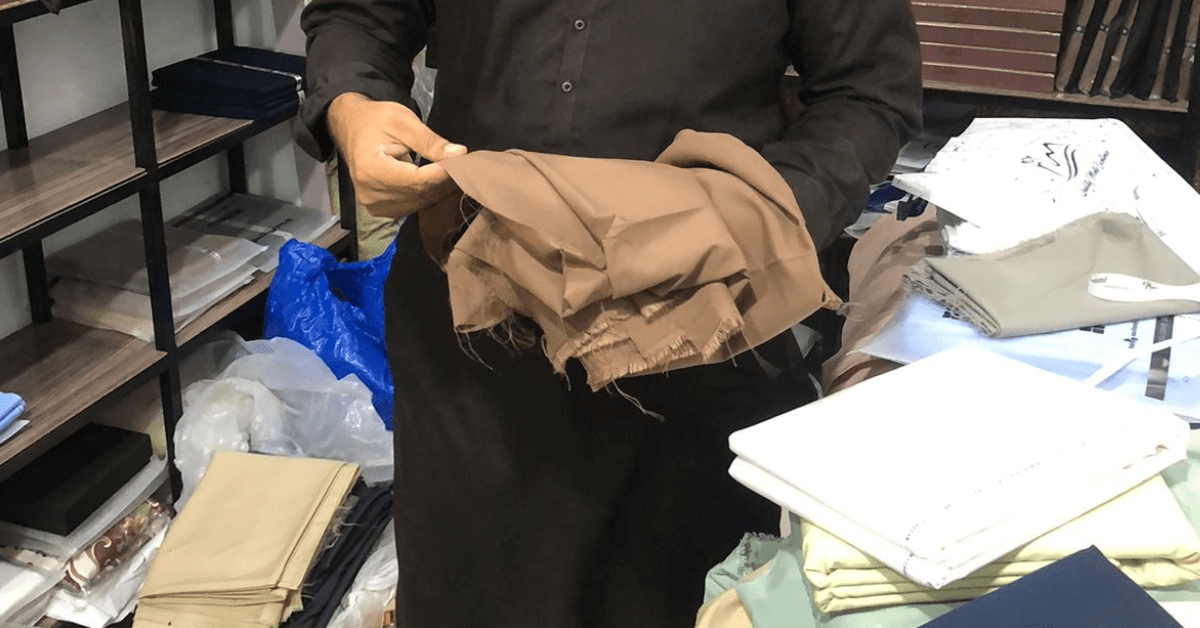

Blended Fabrics: The Foundation of Wash-and-Wear
Wash-and-wear fabrics often consist of blended textiles, combining synthetic and natural fibers to maximize durability and comfort. Polyester, a staple in these blends, offers resistance to wrinkles and stains, while natural fibers like cotton enhance breathability and softness.
Blended Fabric Benefits:
These fabrics merge the strength of synthetics with the comfort of natural fibers, making them versatile for various garment types, from casual to formal wear. The result is a textile that retains shape and appearance after frequent washing.
Textile Engineering in Action:
Textile engineering plays a critical role in creating these fabrics, focusing on the molecular structure of fibers to enhance their properties. By manipulating the blend ratios, engineers can design fabrics that meet specific needs, such as increased elasticity for form-fitting garments or enhanced moisture-wicking for activewear.
The Role of Washing and Wearing in Fabric Longevity
The washing process is crucial for maintaining the quality of wash-and-wear fabrics. Proper care ensures that these textiles look new and perform well over time.
Frequent Washing:
Wash-and-wear fabrics are engineered to withstand frequent washing without losing their integrity. This makes them ideal for daily wear garments that must be cleaned regularly. However, following the recommended washing guidelines is essential to avoid unnecessary wear and tear.
Stain Resistance and Removal:
These fabrics often come with stain-resistant treatments, but they are generally easier to remove when stains occur. Pre-treating stains with a mild detergent before washing can help maintain the fabric’s pristine condition.
Wrinkle Resistance:
One of the most appreciated features of wash-and-wear fabrics is their ability to resist wrinkles. This characteristic is especially beneficial for those who prefer low-maintenance clothing that doesn’t require ironing after every wash.
Dry Cleaning vs. Machine Washing: What’s Best for Your Wardrobe?
While many wash-and-wear garments are designed for machine washing, certain items may benefit from dry cleaning to preserve their quality.
Dry Cleaning Advantages:
Dry cleaning can help maintain the polished appearance of formal wear or garments with intricate embroidery. It is gentler on the fabric and prevents potential damage that might occur in a washing machine.
Machine Washing:
Most casual and everyday outfits made from wash-and-wear fabrics can be safely machine-washed. A gentle cycle and cold water will help preserve the fabric’s colour and texture, ensuring the garment lasts longer.
Textile Technology and the Evolution of Wash-and-Wear Fabrics
The development of wash-and-wear fabrics is a testament to the advancements in textile technology. Innovations in this field have led to the creation of fabrics that require minimal care and provide superior comfort and style.
Innovative Textile Technology:
New treatments and fabric coatings have been developed to enhance the properties of wash-and-wear textiles. For instance, advances in moisture-wicking technology make these fabrics ideal for activewear, while anti-bacterial treatments ensure hygiene and freshness.
Comfort and Fit:
Modern wash-and-wear fabrics often include stretch fibres, making them ideal for form-fitting garments. This addition allows the fabric to move with the wearer, offering greater comfort and a better fit.
Wash-and-Wear in Pakistani Fashion: A Perfect Match
In Pakistani fashion, wash-and-wear fabrics have become increasingly popular due to their practicality and versatility. They are a natural fit for the busy lifestyles of many Pakistanis, who require clothing that is both stylish and easy to care for.
Pakistani Wardrobes:
From everyday kurtas to formal attire, wash-and-wear fabrics are now a staple in Pakistani wardrobes. These fabrics meet the demands of the local climate and lifestyle, offering a balance between traditional aesthetics and modern convenience.
Versatile Textiles:
Pakistani designers leverage these textiles to create collections that appeal to a broad audience. Whether for casual or formal settings, the use of wash-and-wear fabrics ensures that the garments are not only beautiful but also functional.
High Fashion:
Even in high fashion, which emphasizes style and elegance, wash-and-wear fabrics are impacting. Designers are incorporating these fabrics into their collections to offer consumers the best of both worlds: high-end fashion with low-maintenance care.
The Science Behind Wash-and-Wear Properties
The unique properties of wash-and-wear fabrics stem from the advanced techniques used in their production.
Fabric Composition:
A blend of fibers, such as polyester with cotton or nylon, is carefully selected to achieve the desired balance of durability, comfort, and appearance. Synthetic fibers ensure the fabric maintains its shape and resists wrinkles, while natural fibers provide breathability.
Engineered for Performance:
Textile engineers focus on enhancing the performance of these fabrics by incorporating features like UV protection, which prevents fading, and anti-static properties, which keep garments looking smooth and polished.
Practical Tips for Wash-and-Wear Clothing Care
To maximize the lifespan of wash-and-wear fabrics, following proper care routines is essential.
Proper Washing Techniques:
Always read the care label before washing. Use a gentle detergent and avoid bleach, which can weaken the fibres. If using a dryer, opt for a low heat setting to prevent shrinkage.
Stain Treatment:
Address stains promptly by applying a stain remover or detergent directly to the spot before washing. Consider soaking the garment in a mild solution before washing it for tougher stains.
Storage:
Store wash-and-wear garments in a cool, dry place. Avoid hanging heavy items on thin hangers, as this can cause the fabric to stretch out of shape.
The Future of Wash-and-Wear Fabrics
As textile technology continues to evolve, the future of wash-and-wear fabrics looks bright. Ongoing research and development are likely to bring these textiles even more innovative features.
Sustainability:
There is a growing focus on making wash-and-wear fabrics more sustainable. This includes using eco-friendly fibres and reducing the environmental impact of fabric production.
Advanced Features:
We can expect fabrics that are even more resistant to stains, wrinkles, and wear and tear. Additionally, intelligent textiles that can adapt to different environments or provide feedback to the wearer may soon become a reality.
Global Influence:
While wash-and-wear fabrics are already popular in Pakistan, their influence is spreading globally. As more consumers seek out low-maintenance, high-performance clothing, the demand for these fabrics will continue to rise.
Conclusion: Embracing the Convenience of Wash-and-Wear
Wash-and-wear fabrics represent the pinnacle of convenience in modern textiles. They offer a perfect blend of durability, comfort, and style, making them indispensable for casual and formal wardrobes. As textile technology advances, these fabrics will become more versatile and essential, providing practical solutions for the fast-paced, fashion-conscious world. Whether in everyday wear or high fashion, wash-and-wear fabrics are here to stay, reshaping how we think about clothing care and maintenance.